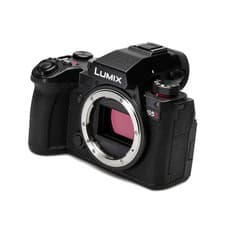
Panasonic Lumix S5 II
The Panasonic Lumix S5 II is the camera that finally gave Panasonic's full-frame line competitive phase-detect autofocus, removing the one weakness that had held the system back.
Read the product overview
The result is a video-leaning hybrid that offers unlimited 4K recording, a built-in fan for long takes without overheating, and excellent in-body stabilization, all at a price well below most full-frame rivals. For creators who shoot a lot of video and want reliable autofocus without paying flagship money, it is one of the best values on the market. The trade-offs are a sensor that is not the fastest for high-speed action and an L-mount lens ecosystem that, while open and growing, is smaller than Sony's or Canon's.
How does this price compare?
— · Observations in the last 90 days
No in-stock price checked within 72 hours. Prices and recommendations will return after a fresh check.
Where to buy
Display prices are converted and rounded from collected prices. Check shipping, configuration and the final total at the retailer.
Key specs
| Sensor | 35mm full-frame CMOS |
|---|---|
| Resolution | 24 MP |
| Lens Mount | Leica L |
| In-Body Stabilization | 5-axis, up to 6.5 stops |
| Max Video | 6K 30p, 4K 60p, unlimited recording with active cooling |
| Autofocus | Phase-hybrid with subject detection for people, animals |
| Weight | 740 g |
| ISO range | 100-51200 (exp. 50-204800) |
| Burst | 9 fps mechanical, 30 fps electronic |
| Screen | 3.0" vari-angle touchscreen, 1.84M dots |
Configurations: Body only · With 20-60mm kit lens
Strengths
- Reliable phase-detect autofocus, a major step up for Panasonic
- Unlimited 4K recording with built-in cooling fan
- Strong value pricing for full-frame video
- Effective in-body stabilization for handheld work
Trade-offs
- Sensor is not the fastest for high-speed action
- L-mount lens lineup smaller than Sony or Canon
- Heavier than the most compact full-frame bodies
Alternatives to consider
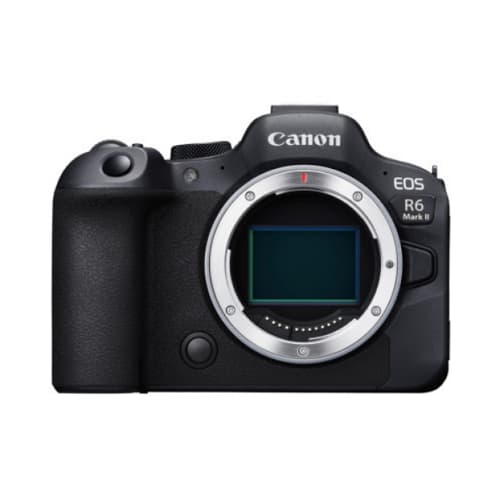

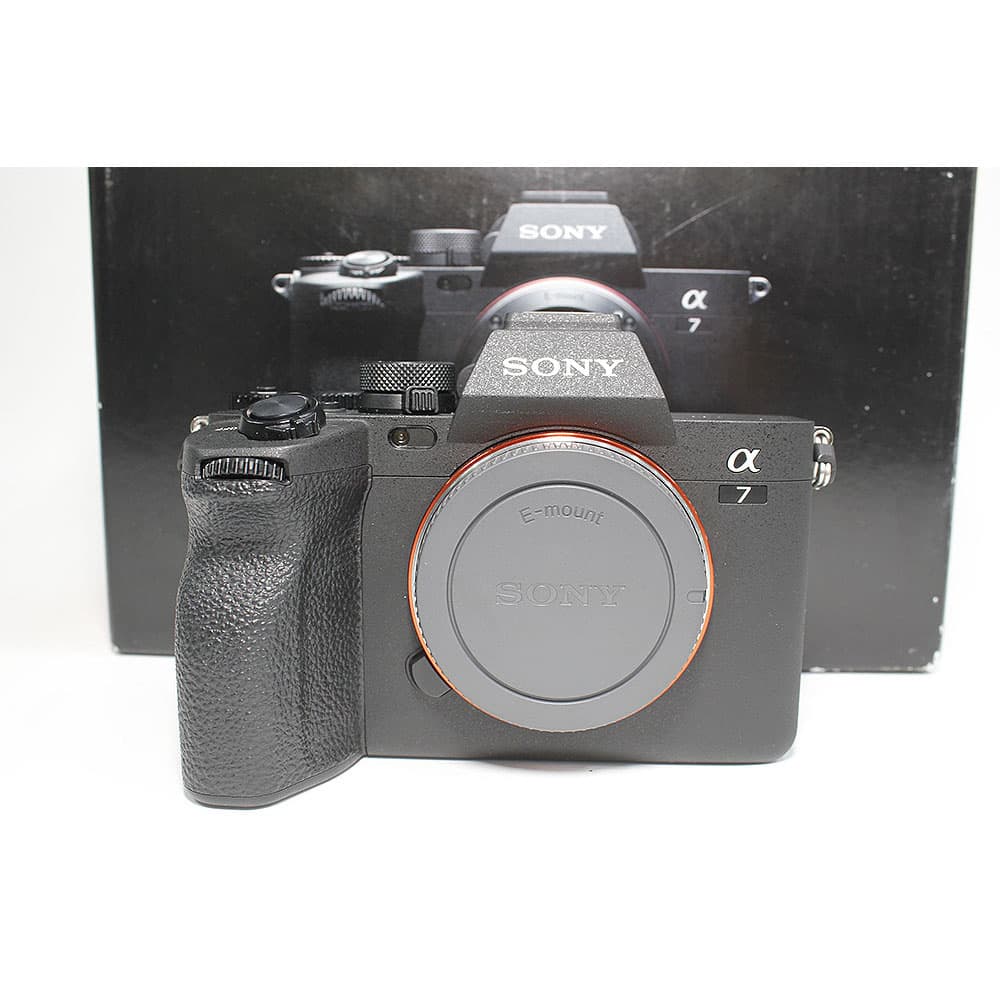
How we assess prices
We use in-stock offers checked within 72 hours. Scores compare the current offer with that retailer’s observations from the last 90 days, requiring at least 14 observed days and a price from about 30 days ago. Suspect records withhold the score. Retailer conditions and prices can change.