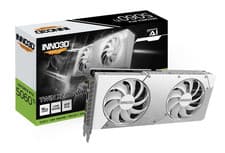
GeForce RTX 5060 Ti 16GB
The RTX 5060 Ti 16GB is one of the most widely sold mainstream Blackwell cards in Europe, where its generous 16GB of GDDR7 makes it the smart choice over the cramped 8GB version for 1080p and high-refresh 1440p play.
Read the product overview
The large buffer holds high-resolution textures and benefits local AI tinkering, while DLSS 4 multi-frame generation lifts frame rates in supported games. At just 180W it usually needs only a single 8-pin connector and fits compact European mini-ITX builds with ease. It is not a 4K card, but for the bulk of mainstream gamers it hits a sensible balance of price, efficiency, and memory.
How does this price compare?
eBay · Observations in the last 90 days
Where to buy

Display prices are converted and rounded from collected prices. Check shipping, configuration and the final total at the retailer.
Key specs
| GPU Chip | NVIDIA Blackwell GB206 |
|---|---|
| Video Memory | 16GB GDDR7 |
| Boost Clock | 2572 MHz |
| Power Draw (TBP) | 180 W |
| Card Length | 245 mm |
| Power Connector | 1x 8-pin PCIe |
| Display Outputs | 3x DisplayPort 2.1b, 1x HDMI 2.1b |
| Memory type | GDDR7 |
| Bus width | 128-bit |
| Process node | TSMC 4N (4nm) |
Configurations: Base
Strengths
- 16GB GDDR7 is excellent for the price tier
- Very efficient 180W, often single 8-pin
- DLSS 4 multi-frame generation support
- Compact length suits small European builds
Trade-offs
- A confusing 8GB variant shares the name
- Not designed for sustained 4K gaming
- Narrow 128-bit memory bus limits bandwidth
How we assess prices
We use in-stock offers checked within 72 hours. Scores compare the current offer with that retailer’s observations from the last 90 days, requiring at least 14 observed days and a price from about 30 days ago. Suspect records withhold the score. Retailer conditions and prices can change.